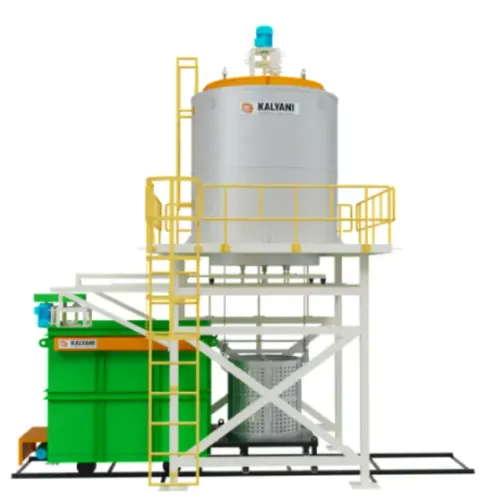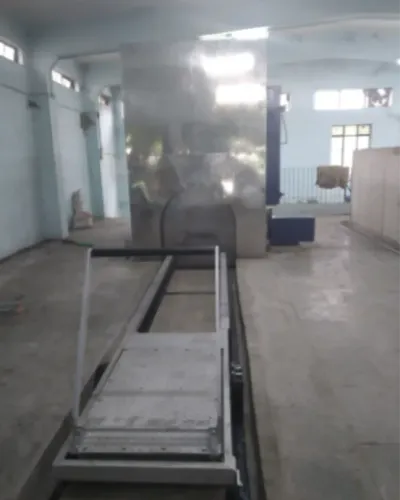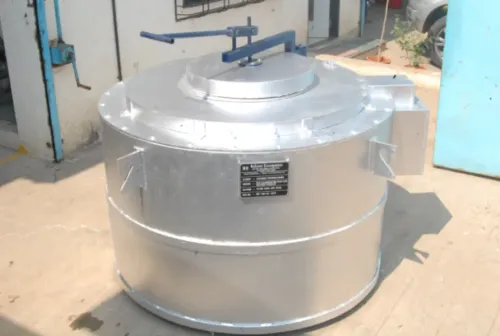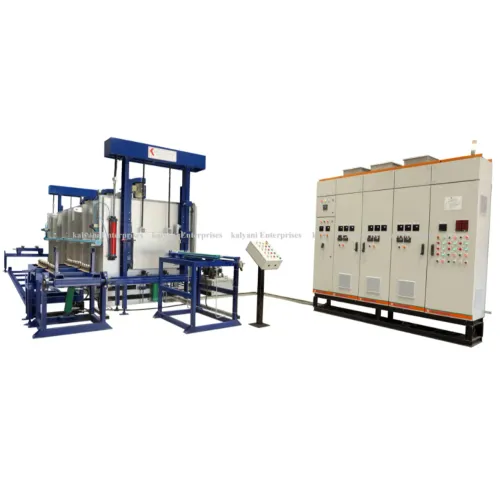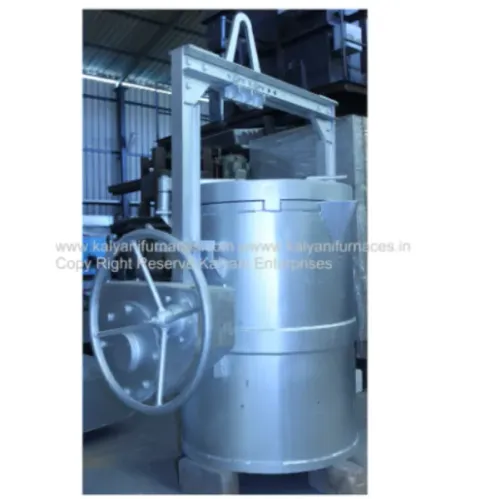
Industrial heating systems operate under demanding conditions where consistent temperatures, energy efficiency, and equipment durability directly influence production quality. One component that plays a significant role in achieving these goals is the Refractory Embedded Heater. Used across industries such as foundries, metal processing, heat treatment, ceramics, and heavy manufacturing, these heaters are designed to deliver reliable heat while withstanding harsh operating environments.
For manufacturers in Pune and across Maharashtra, understanding how refractory embedded heaters work can help improve production efficiency and reduce maintenance costs.
What Is a Refractory Embedded Heater?
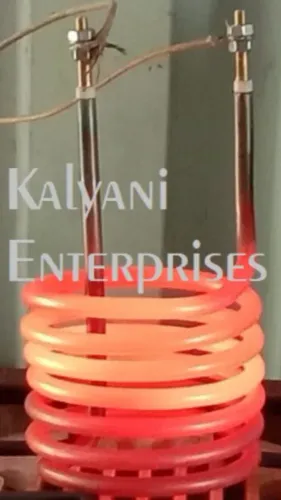
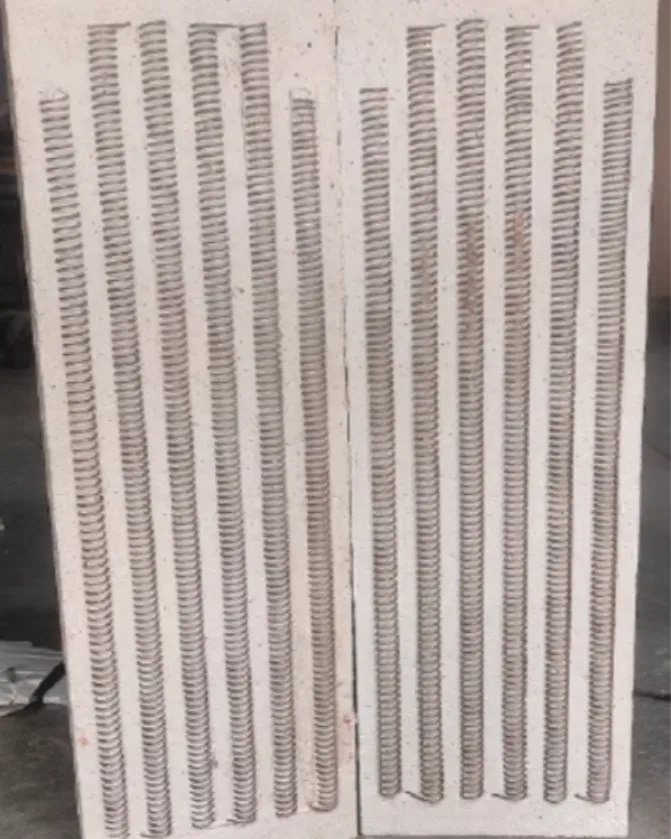
A refractory embedded heater is an electric heating element that is permanently embedded within refractory material. The refractory acts as both a protective layer and an efficient medium for transferring heat to furnaces, molten metals, and industrial processing equipment.
Unlike exposed heating elements, embedded heaters remain protected from mechanical damage, oxidation, and contamination while providing uniform heat distribution.
This design makes them particularly suitable for continuous industrial operations where equipment reliability is essential.
How Does It Work?
The heating element is enclosed inside specially engineered refractory material that can tolerate extremely high temperatures.
Once electrical power is supplied, the element generates heat, which passes through the refractory lining before reaching the process chamber or workpiece.
This arrangement offers several operational benefits:
- Even heat transfer across the heating surface
- Reduced heat loss
- Protection against thermal shock
- Longer heater life
- Stable operating temperatures
The combination of insulation and heat retention improves overall furnace efficiency.
Industries That Commonly Use Refractory Embedded Heaters
Many manufacturing sectors depend on these heaters for critical thermal processes.
Common applications include:
- Aluminium melting furnaces
- Heat treatment furnaces
- Die casting plants
- Steel processing units
- Non-ferrous metal industries
- Ceramic manufacturing
- Industrial ovens
- Foundries
These industries require dependable heating systems capable of maintaining precise process temperatures over extended production cycles.
Advantages of Refractory Embedded Heaters
Uniform Heat Distribution
One of the biggest advantages is consistent heating across the entire surface. Uniform temperatures reduce defects, improve metallurgical properties, and ensure repeatable production quality.
Better Protection for Heating Elements
Since the heating element remains enclosed within refractory material, it is shielded from physical damage, oxidation, molten metal splashes, and corrosive environments.
This protection significantly extends service life.
Higher Energy Efficiency
Efficient insulation minimizes heat loss and directs more energy toward the manufacturing process instead of the surrounding environment.
Lower heat loss often translates into reduced electricity consumption over time.
Reduced Maintenance
Protected heating elements experience less wear and require fewer replacements compared to exposed systems.
This reduces maintenance downtime and supports uninterrupted production schedules.
Improved Process Stability
Consistent temperatures are essential for applications involving heat treatment, annealing, melting, and casting.
Stable heating minimizes variations that could otherwise affect product quality.
Factors to Consider Before Selecting One
Every manufacturing process has unique thermal requirements. Before choosing a refractory embedded heater, consider:
- Operating temperature range
- Furnace size
- Heating capacity
- Power requirements
- Type of refractory material
- Production cycle duration
- Maintenance accessibility
- Energy efficiency goals
Selecting the correct specification ensures optimal performance while avoiding unnecessary operating costs.
Common Maintenance Practices
Although these heaters require relatively low maintenance, periodic inspections improve long-term reliability.
Recommended practices include:
- Inspecting electrical connections
- Monitoring temperature uniformity
- Checking refractory condition
- Cleaning surrounding furnace components
- Measuring insulation resistance
- Following scheduled preventive maintenance
Early detection of minor issues helps prevent costly production interruptions.
Why Quality Manufacturing Matters
Industrial heating equipment operates under continuous thermal stress. Manufacturing quality directly influences heater lifespan, safety, and process consistency.
Well-designed refractory embedded heaters are engineered using high-quality heating elements and durable refractory materials that withstand repeated heating and cooling cycles without significant performance loss.
For industries handling precision heat treatment or metal processing, investing in reliable heating components often leads to better operational efficiency and lower lifecycle costs.
Growing Demand Across Pune's Manufacturing Sector
Pune continues to strengthen its position as one of Maharashtra's leading industrial hubs, supporting automotive, engineering, defence, and precision manufacturing companies. As production facilities increasingly focus on energy efficiency and consistent process quality, advanced industrial heating solutions are becoming an essential part of modern manufacturing operations.
Companies such as Kalyani Furnaces India Pvt. Ltd. contribute to this ecosystem by designing industrial heating equipment suited to demanding manufacturing environments. Businesses evaluating furnace upgrades or new thermal processing systems often benefit from working with experienced providers that understand application-specific heating requirements.
Choosing the right refractory embedded heater is not simply about generating heat—it is about improving production reliability, reducing operating costs, and maintaining consistent product quality over the long term.
Keywords