
Handling molten aluminium is one of the most sensitive stages in metal casting and foundry operations. Even a small temperature fluctuation or unsafe transfer process can affect casting quality, increase oxidation, and create production delays. This is where aluminum transfer ladles play a critical role in modern manufacturing environments.
Industrial foundries and automotive component manufacturers in Pune increasingly rely on advanced ladle systems to maintain metal temperature, improve safety, and reduce handling losses during aluminium transfer between furnaces and casting stations.
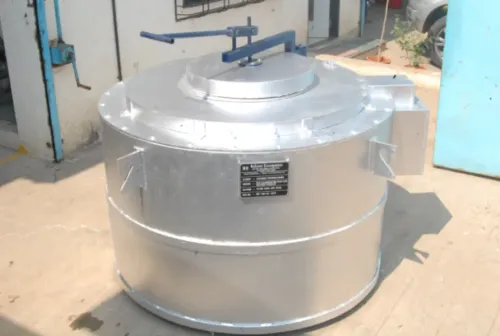
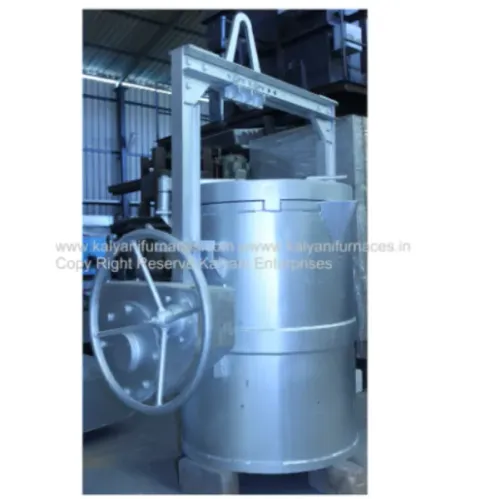
An aluminum transfer ladle is designed to safely transport molten aluminium while maintaining thermal stability. Unlike conventional containers, industrial-grade ladles are engineered with refractory lining, thermal insulation, ergonomic pouring mechanisms, and heat retention features that support continuous manufacturing operations.
Several industries benefit from these systems:
- Automotive casting units
- Aerospace component manufacturers
- Die casting facilities
- Foundries and metallurgy plants
- Aluminium recycling operations
One of the biggest challenges during molten metal handling is temperature drop. When aluminium loses heat during transfer, manufacturers often experience casting defects, porosity, inconsistent grain structure, and higher rejection rates. Modern transfer ladles help minimize these issues by improving heat retention and reducing exposure to atmospheric contamination.
Another important factor is operator safety. Traditional manual handling methods can increase workplace hazards, especially in high-temperature environments. Advanced ladles now include controlled pouring systems, tilting mechanisms, and enhanced thermal insulation to support safer industrial workflows.
Manufacturing units also evaluate ladles based on:
- Capacity requirements
- Refractory quality
- Heat retention efficiency
- Mobility and handling design
- Maintenance requirements
- Compatibility with furnace systems
Large-scale aluminium casting facilities often prefer customized transfer solutions depending on plant layout and production volume. In high-output manufacturing clusters around Maharashtra, efficient molten metal transfer directly contributes to productivity and energy optimization.
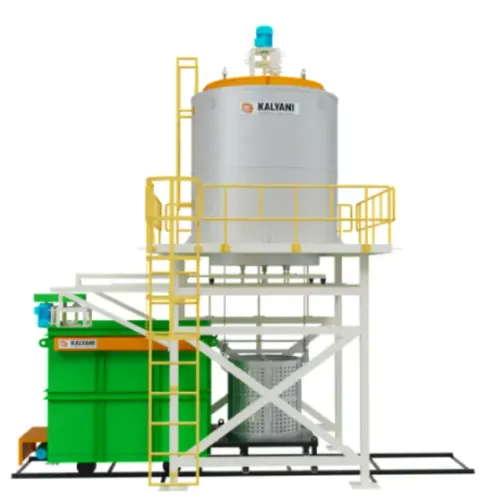
Kalyani Furnaces India Pvt. Ltd. in Pune manufactures industrial heating and furnace systems that align with the operational requirements of modern foundries and metal processing industries. The company’s engineering approach focuses on durability, thermal efficiency, and process consistency for industrial applications.
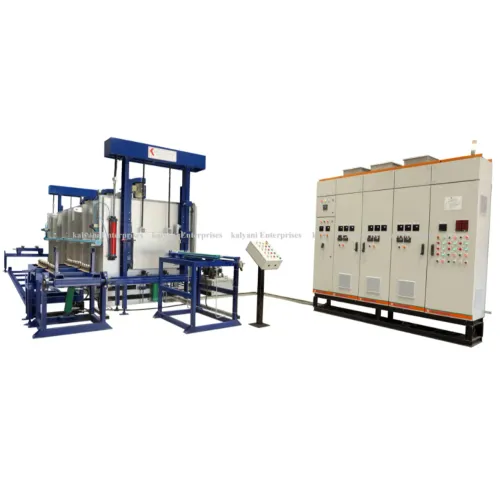
Another growing trend is the integration of transfer ladles with automated casting lines. Automation reduces manual intervention, improves pouring accuracy, and supports better repeatability in precision manufacturing sectors like aerospace and automotive engineering.
When selecting an aluminum transfer ladle, businesses should also assess long-term operational costs. Lower heat loss, reduced refractory damage, and improved pouring control can significantly improve production efficiency over time.
Maintenance is equally important. Regular inspection of refractory lining, thermal insulation layers, and structural integrity helps extend equipment life while preventing contamination during metal transfer.
As aluminium usage continues to rise across electric vehicles, lightweight engineering, and industrial manufacturing, the demand for reliable molten metal handling systems is also increasing. Companies that invest in efficient transfer infrastructure often achieve better casting consistency, lower rejection rates, and safer plant operations.
For manufacturing businesses evaluating furnace and molten metal handling systems in Pune, selecting the right engineering partner can make a significant difference in production quality and long-term operational performance.
Keywords