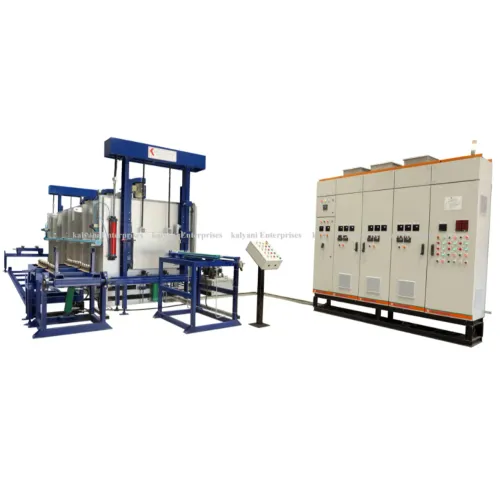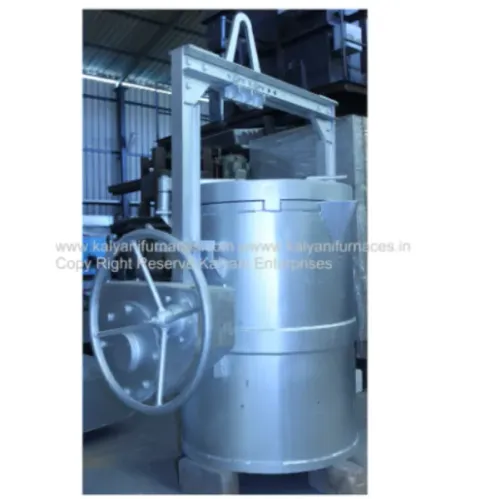

Precision aluminium casting requires more than just melting metal at high temperatures. The real challenge lies in maintaining molten aluminium quality throughout the casting process. This is why LPDC Alu Holding Furnaces have become essential for industries focused on consistent casting accuracy and metallurgical control.
Low Pressure Die Casting (LPDC) is widely used in automotive, aerospace, and engineering industries because it supports superior dimensional accuracy and reduced casting defects. However, the performance of the entire process depends heavily on the stability of the aluminium holding furnace.
In manufacturing hubs like Pune, LPDC systems are increasingly adopted for producing lightweight automotive wheels, structural aluminium components, and precision-engineered industrial parts.
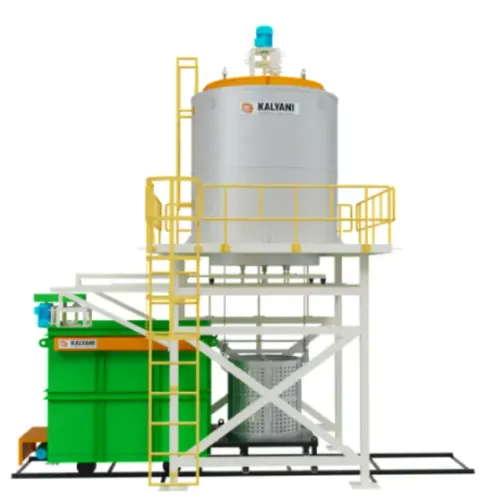
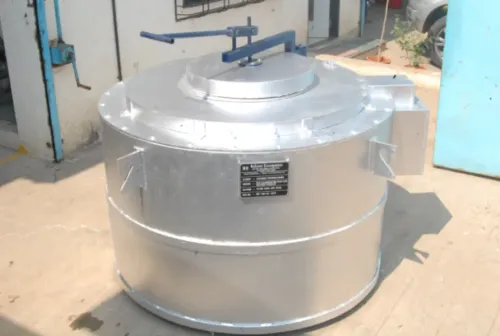
An LPDC aluminium holding furnace is specifically designed to maintain molten aluminium at controlled temperatures before it enters the die casting stage. Unlike basic holding systems, LPDC furnaces are engineered for:
- Stable thermal performance
- Reduced oxidation
- Controlled metal flow
- Lower contamination risk
- Energy-efficient operation
One of the biggest advantages of these furnaces is metal quality preservation. Aluminium is highly sensitive to contamination and temperature fluctuations. Improper holding conditions may lead to gas porosity, inclusions, and inconsistent casting properties.
Modern LPDC holding furnaces help manufacturers maintain:
- Uniform temperature distribution
- Controlled pressure conditions
- Cleaner molten metal
- Improved casting repeatability
- Lower scrap generation
Energy efficiency is another major consideration. Industrial facilities operating continuous production lines require furnace systems that minimize fuel consumption while maintaining process stability. Advanced insulation and optimized burner systems help reduce thermal losses significantly.
The automotive industry particularly benefits from LPDC technology because lightweight aluminium components are critical for fuel efficiency and electric vehicle manufacturing. Components such as alloy wheels, suspension parts, and engine housings require high dimensional precision and consistent metallurgical properties.
Industrial engineers also evaluate furnace systems based on:
- Temperature recovery speed
- Furnace chamber durability
- Automation compatibility
- Maintenance accessibility
- Safety systems
- Production scalability
Kalyani Furnaces India Pvt. Ltd. manufactures industrial heating systems and aluminium furnace solutions designed for demanding manufacturing environments. Industrial businesses in Maharashtra often seek furnace systems that balance thermal efficiency with long-term operational reliability.
Another important factor is reduced oxidation loss. Poor furnace design can increase aluminium dross formation, leading to material wastage and additional processing costs. Efficient holding furnace systems help minimize oxidation exposure while preserving metal quality.
As Industry 4.0 adoption grows, many manufacturing plants are integrating smart monitoring systems into furnace operations. Real-time temperature monitoring, automated control systems, and process analytics improve production consistency and operational visibility.
Businesses planning to invest in LPDC furnace systems should carefully assess:
- Production volume requirements
- Alloy compatibility
- Automation goals
- Energy consumption targets
- Maintenance expectations
With the growing demand for precision aluminium casting across India, LPDC aluminium holding furnaces are becoming a core part of modern industrial infrastructure. Companies that prioritize furnace quality often achieve better casting performance, improved production efficiency, and reduced manufacturing defects.
Keywords